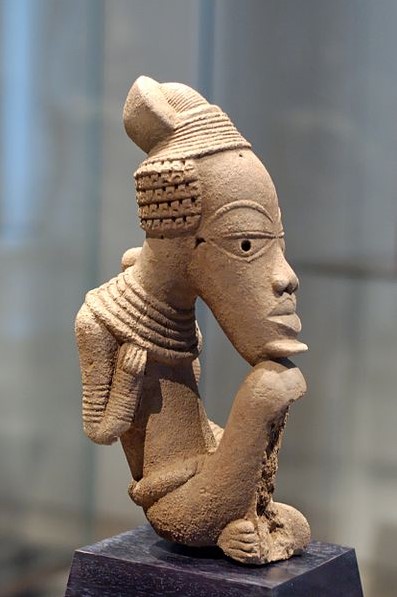
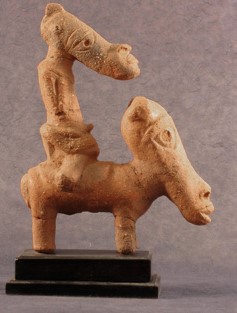
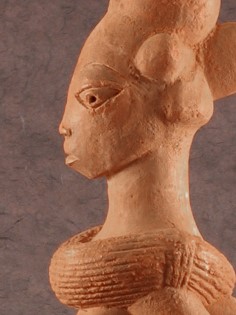
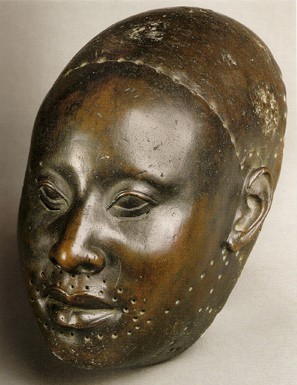
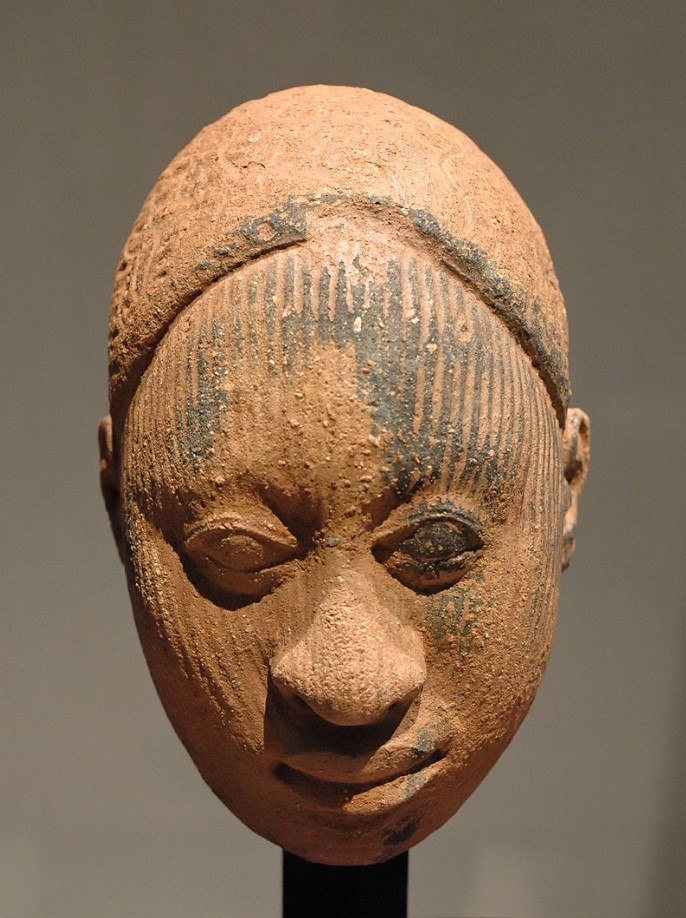
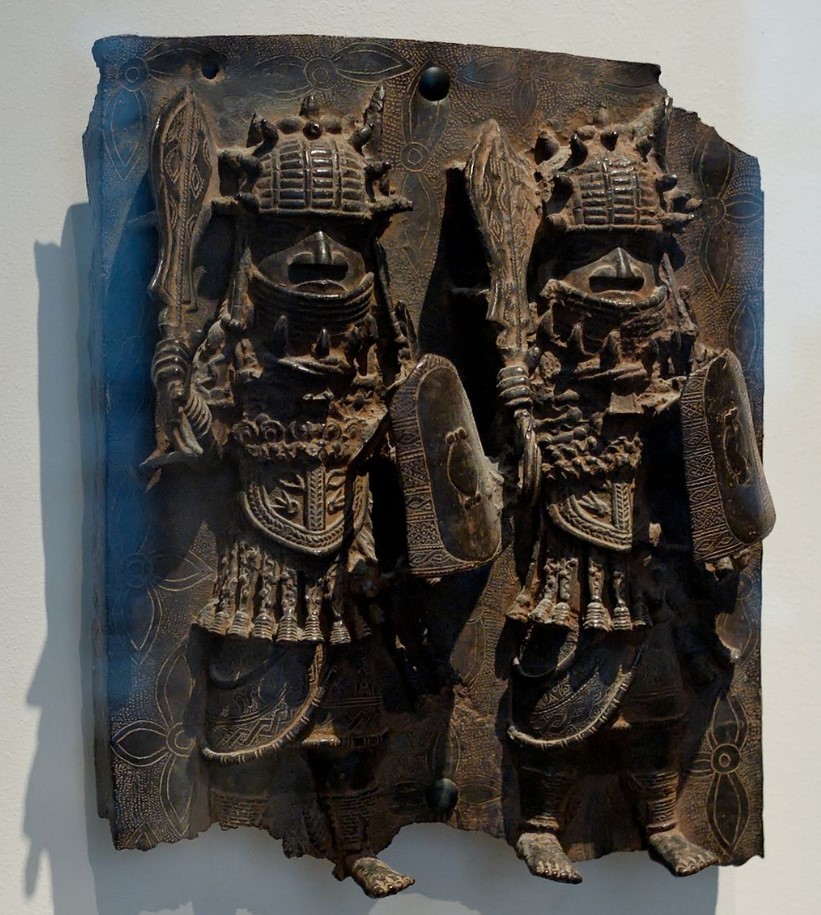
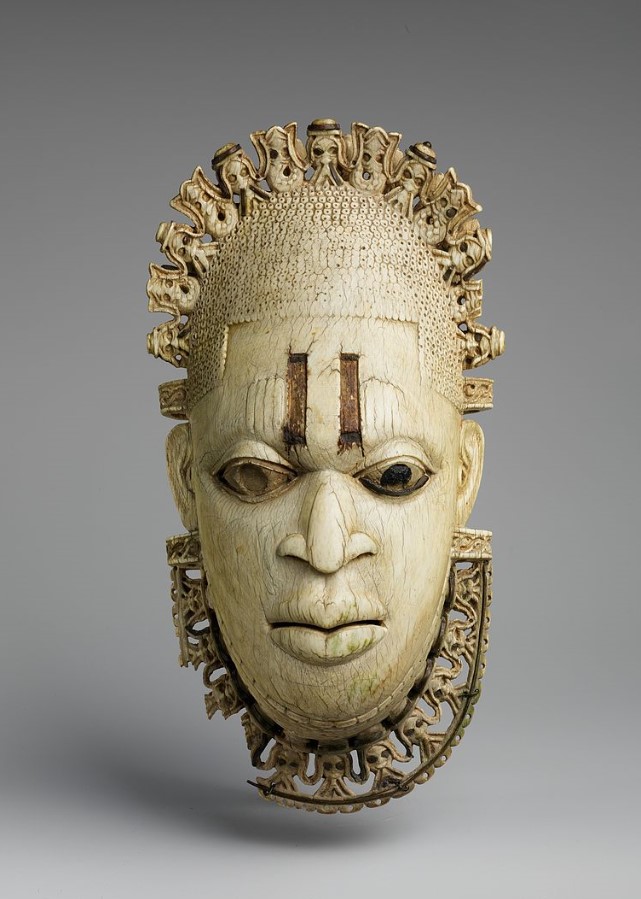
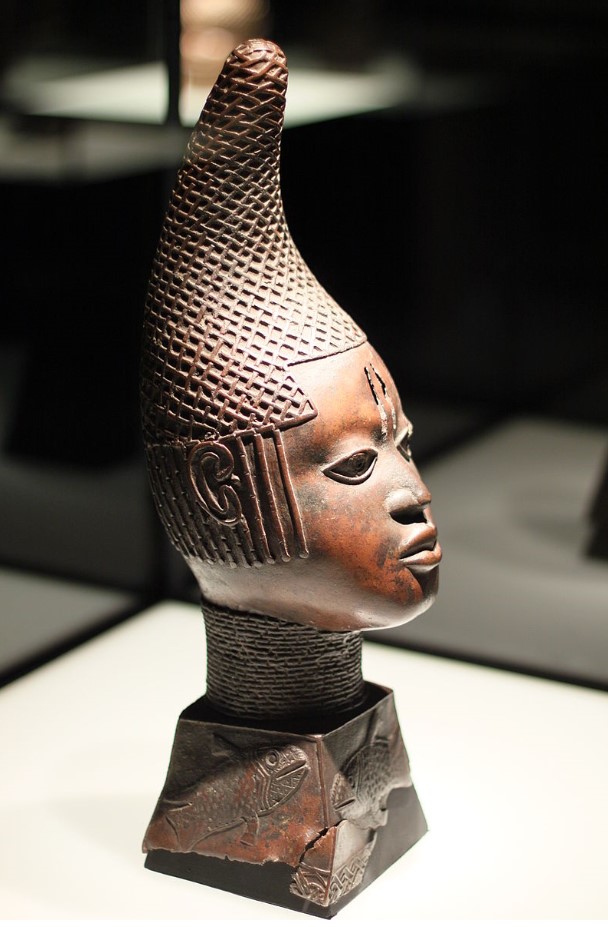
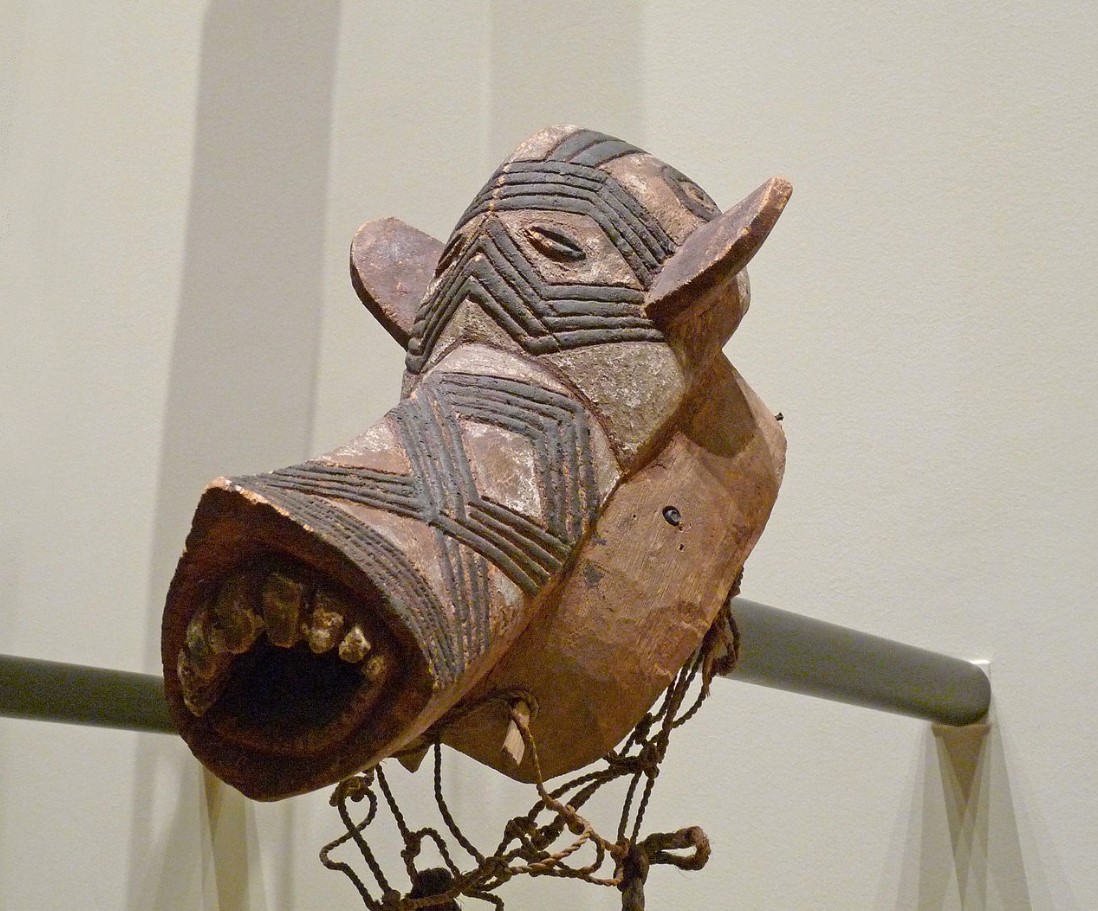
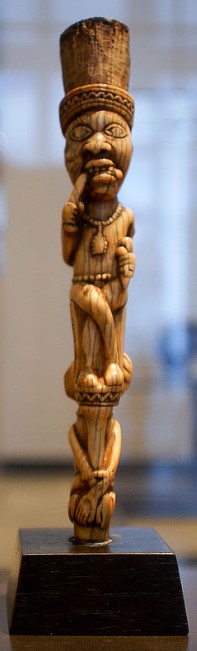
I’m carrying the tradition of focusing on a certain country or continent instead of a particular artist. I’ve made a few clay masks in my life during various art classes. They are fun to make. African sculpture was first made from wood and other organic materials. You can deduce most of the earliest ones did not survive. Those that had a better chance were made from clay for religious ceremonies in West Africa. The earliest known sculptures in this region are from the Nok culture in Nigeria. These people lived between 500 BC and 500 AD. As time progressed, the sculptures included bronze casting for reliefs. Central Africa masks had features such as heart-shaped faces with dot and circle patterns. East Africa was known for their pole sculptures that had human shapes with geometric decoration. These poles were associated with death and the ancestral world. South African clay sculptures date from 400 to 600 AD. These sculptures had cylindrical heads with human and animal features. Here are some examples of the beautiful masks and sculptures from the the past.
Nok sculpture from terracotta in Louvre Museum [Public domain or Public domain], via Wikimedia CommonsNok rider and horse (53 cm tall) from 1,400 to 2,000 years ago/Photo by Ericguillouard at fr.wikipedia (Transferred from fr.wikipedia to Commons.) [GFDL (http://www.gnu.org/copyleft/fdl.html) or CC-BY-SA-3.0 (http://creativecommons.org/licenses/by-sa/3.0/)%5D, from Wikimedia CommonsFemale statue (48 cm tall) from 900 to 1,500 years ago/Photo by Siyajkak at ja.wikipedia (Transfered from ja.wikipedia) [GFDL (http://www.gnu.org/copyleft/fdl.html) or CC-BY-SA-3.0 (http://creativecommons.org/licenses/by-sa/3.0/)%5D, from Wikimedia CommonsYoruba bronze head sculpture from Nigeria (12th century)/Photo by WaynaQhapaq (English Wikipedia) [Public domain], via Wikimedia CommonsLife head from terracotta (most likely 12th to 14trh century)/Photo by Louvre Museum [Public domain], via Wikimedia Commons
Benin bronze sculptures from Nigeria (16th to 18th century)/Photo by Louvre Museum [Public domain], via Wikimedia Commons
Benin ivory mask (16th century)/Photo by Metropolitan Museum of Art [CC0], via Wikimedia CommonsSculpture of Queen Mother from Benin (16th century)/Photo by Bin im Garten (Self-photographed) [CC BY-SA 3.0 (https://creativecommons.org/licenses/by-sa/3.0)%5D, via Wikimedia CommonsTwo Chiwara (late 19th to early 20th century)/Photo by Helen Cook (Flickr) [CC BY-SA 2.0 (https://creativecommons.org/licenses/by-sa/2.0)%5D, via Wikimedia CommonsMask from Burkina Faso (19th century)/Photo by Ji-Elle (Own work) [CC BY-SA 3.0 (https://creativecommons.org/licenses/by-sa/3.0)%5D, via Wikimedia CommonsYombe sculpture (19th century)/Photo by CherryX per Wikimedia Commons [CC BY-SA 3.0 (https://creativecommons.org/licenses/by-sa/3.0)%5D, via Wikimedia Commons



 Pisaries Creator
Leave a comment