Paul Gauguin
Born: June 7, 1848 in Paris, France
Died: May 8, 1903 in Atuona, Marquesas Islands, French Polynesia
“No one is good; no one is evil; everyone is both, in the same way and in different ways. It is so small a thing, the life of a man, and yet there is time to do great things, fragments of the common task.”

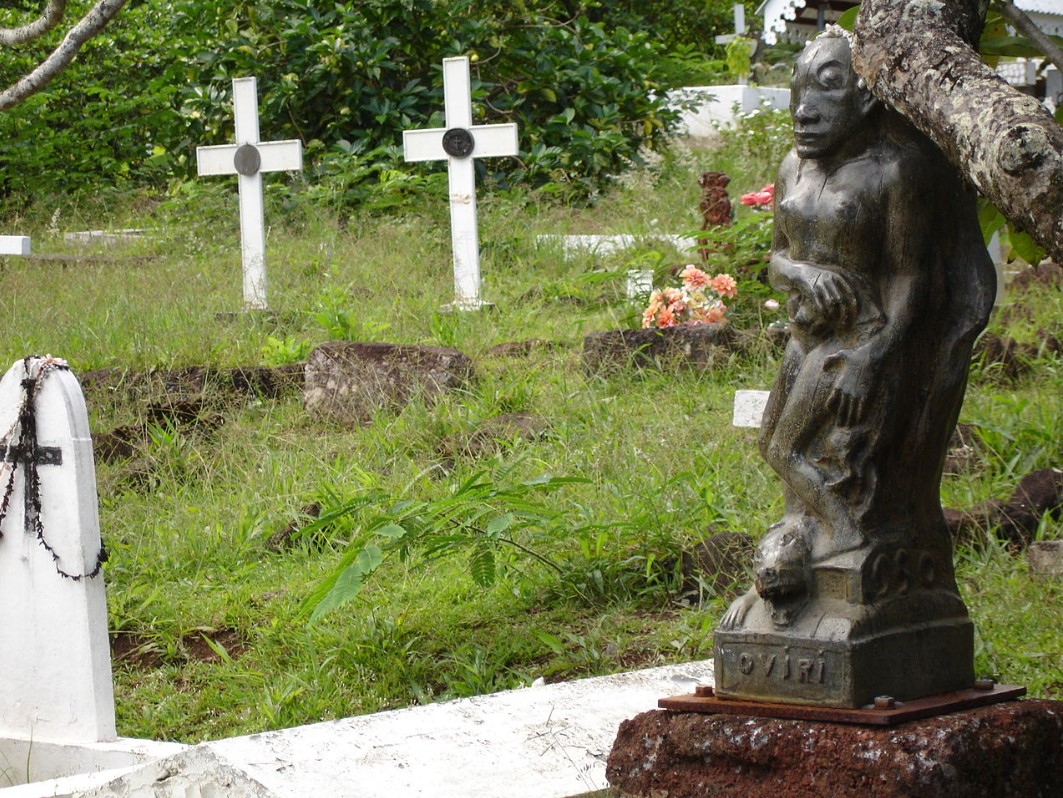
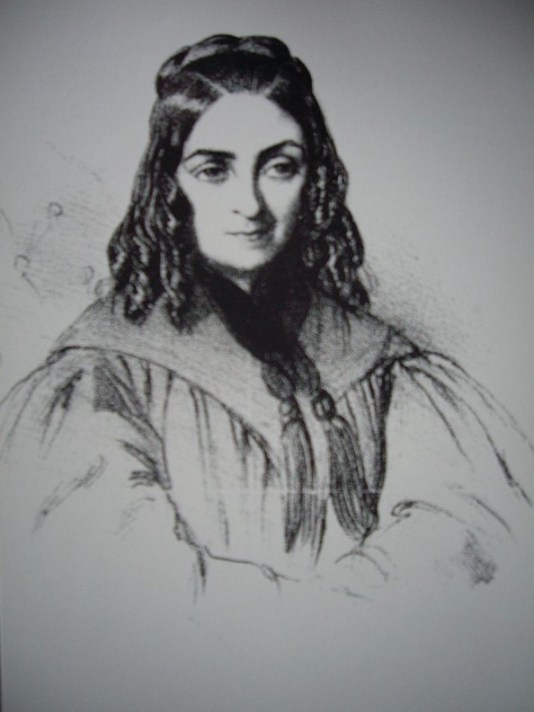
Paul Gauguin is best known as a French painter and wasn’t appreciated until after his death. In fact, he was talented in many art forms: painter, sculptor, print maker, ceramist, wood-carver, drawer, and was also a writer. Born to liberal parents in Paris, his childhood was fairly normal, but illegitimacy ran on his mother’s side. His father died when he was an infant and shortly lived in Peru with his mother and sister before being forced to return to Paris. It is here Gauguin grew into a young adult, joining the French army and later becoming a successful stockbroker and businessman. He tried his hand at selling tarps, but this was not successful. His lack of providing for his family ultimately helped end his marriage. It was when the stock market crashed in 1882 that he took painting seriously, and never let up until he was physically unable to do it.

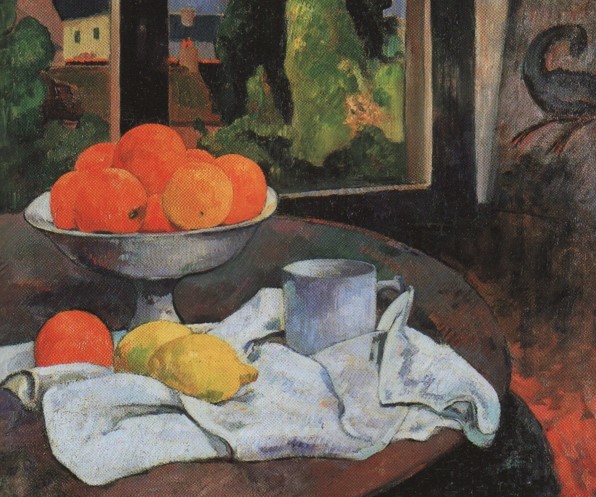


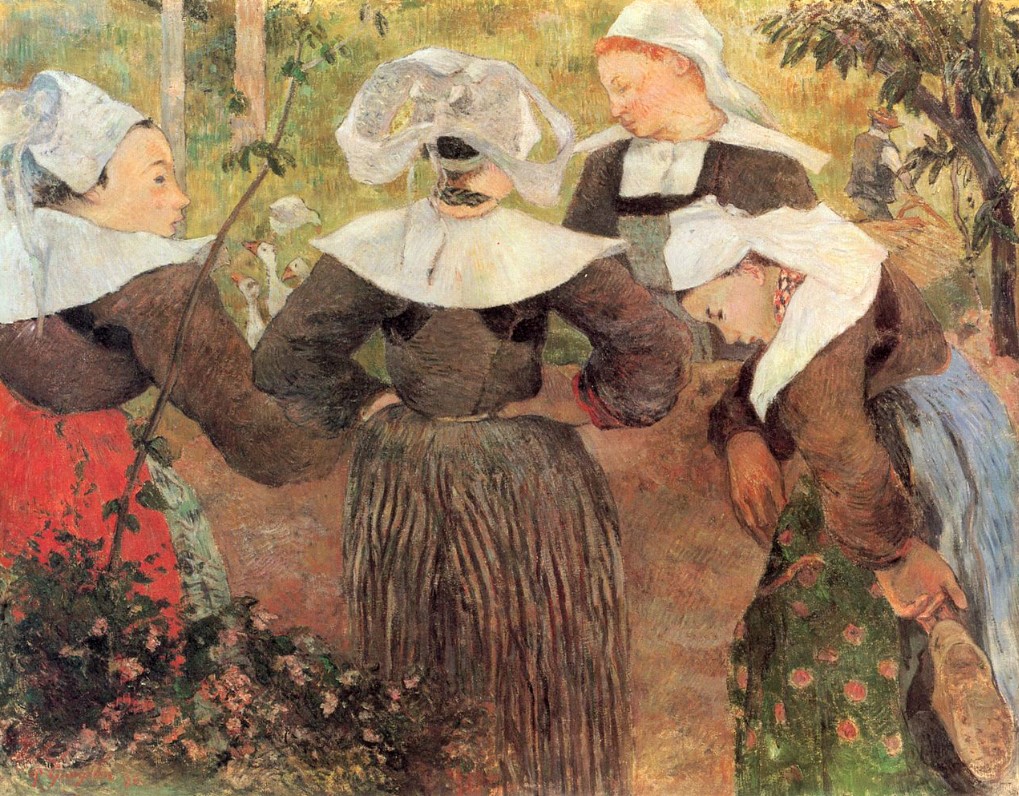
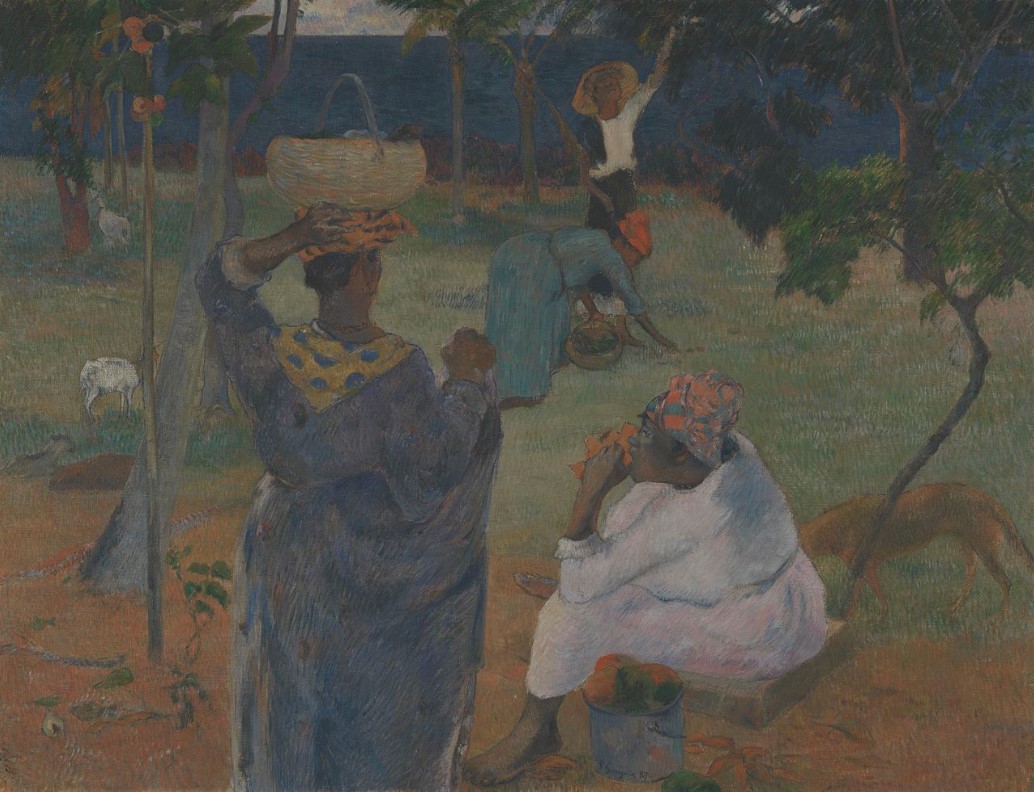
Gauguin is probably second most remembered for his stay in Tahiti and how it influenced him and vice versa. Part of the reason for him traveling there was to get away from European civilization and spent considerable time in Papeete. He again was broke with health issues, and returned to France. It was during this time he had a falling out with Paul Durand-Ruel and Ambroise Vollard, both art dealers. Gauguin was miserly with his money and selfish in his actions and never saw Europe or his children again when he left for Tahiti in 1895. He survived from art sales and support from friends, later becoming a newspaper editor until 1901. This didn’t mean some of his artwork wasn’t sold in Paris. Where Do We Come From? What Are We? Where Are We Going? sold for 2,500 francs (about $10,000 in year 2000 US dollars) in 1901. With a steady flow of income, he was able to make Marquesas Island his home.

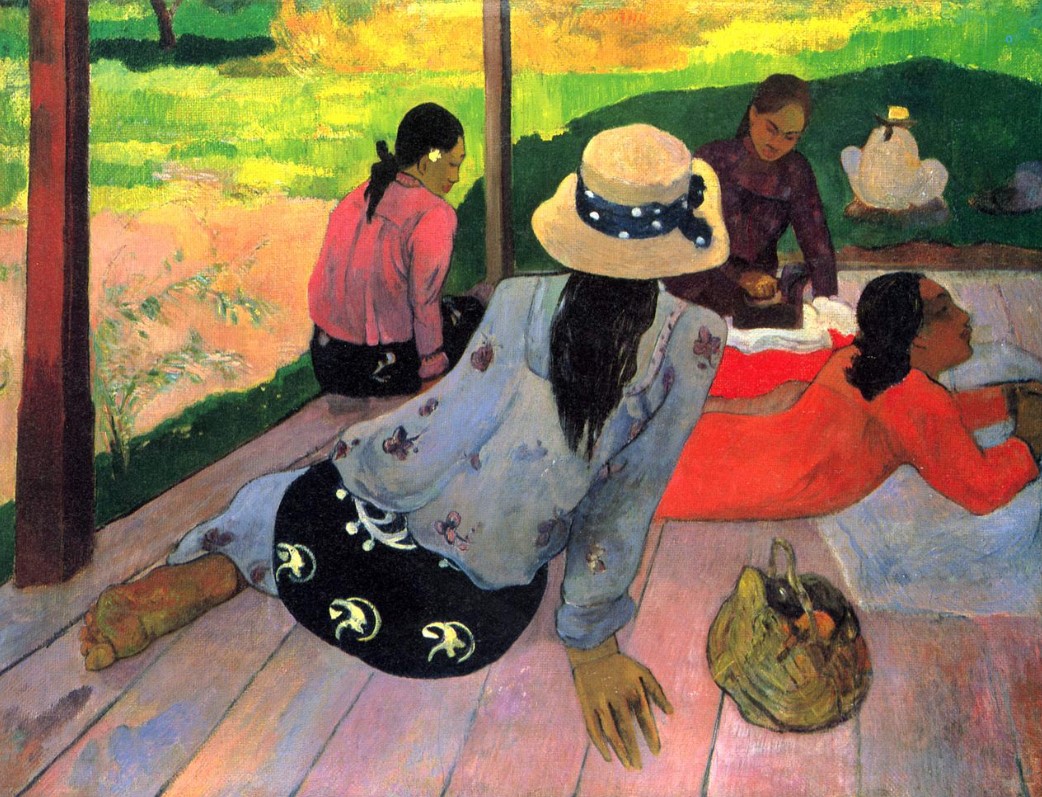
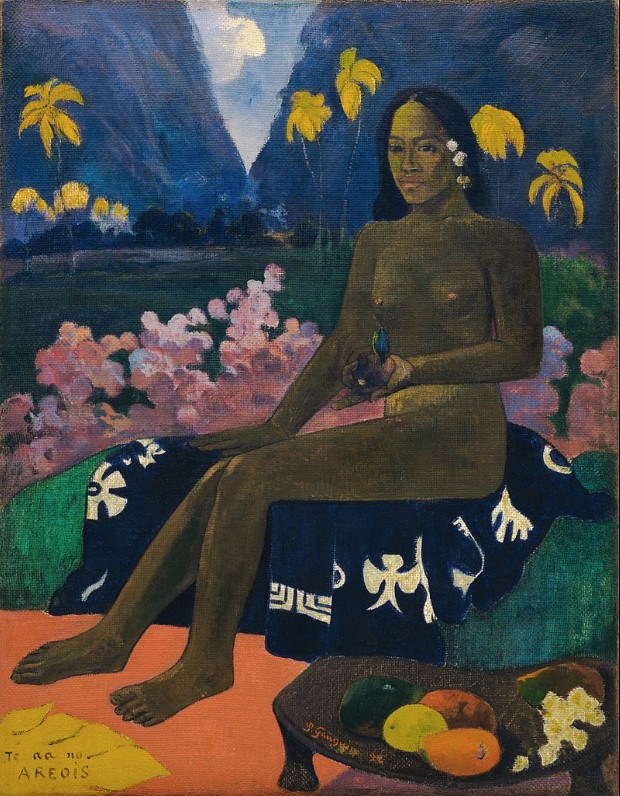
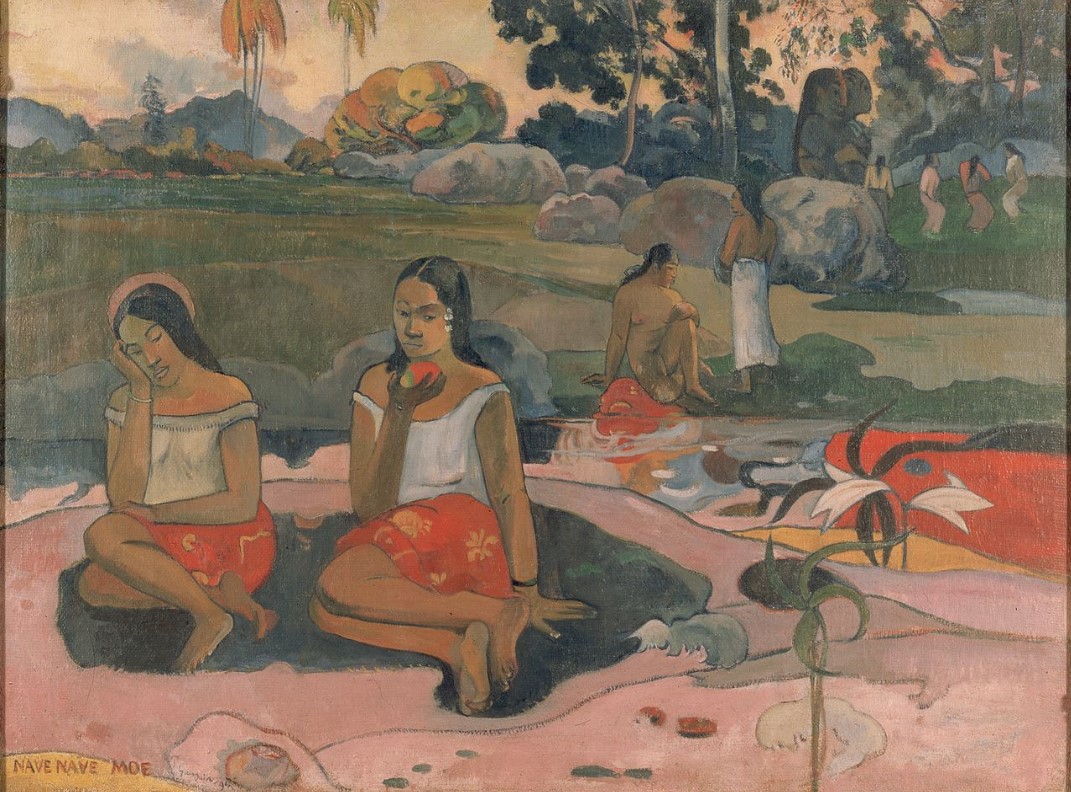


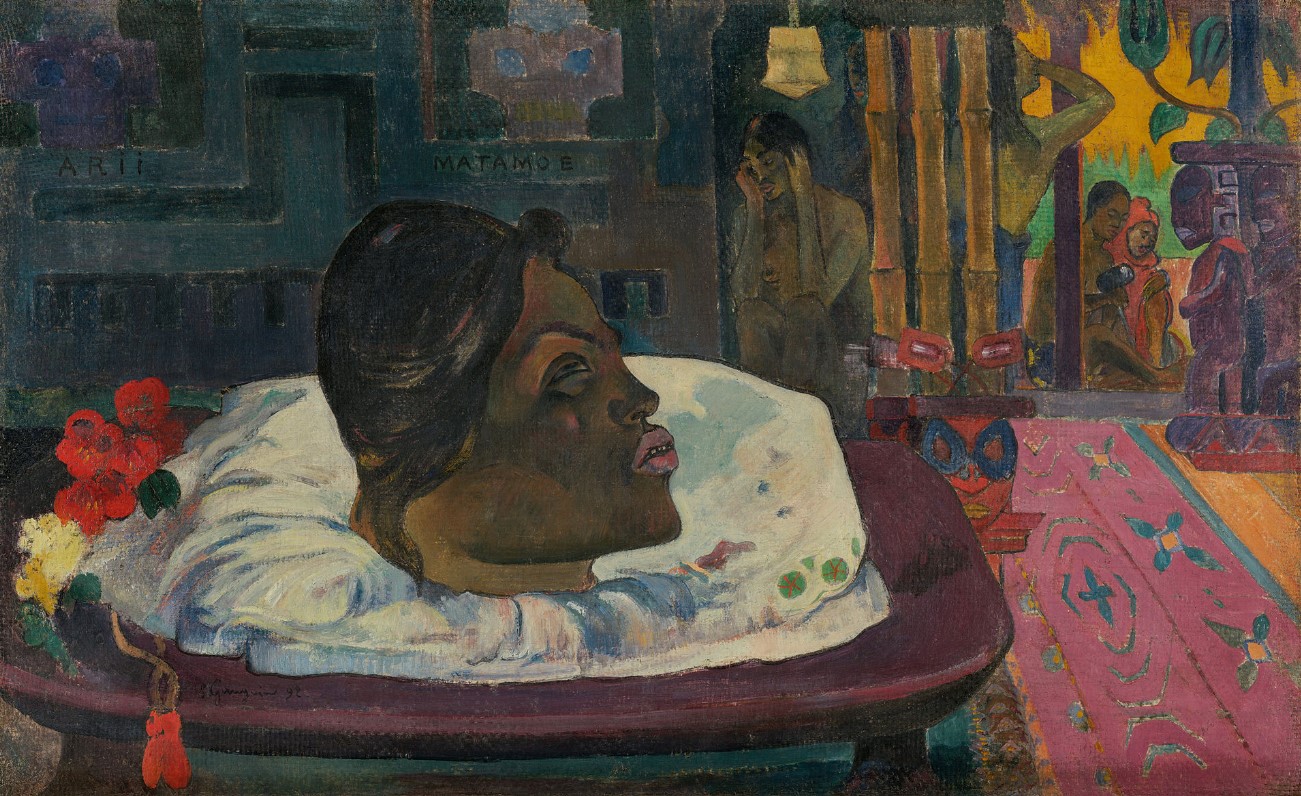

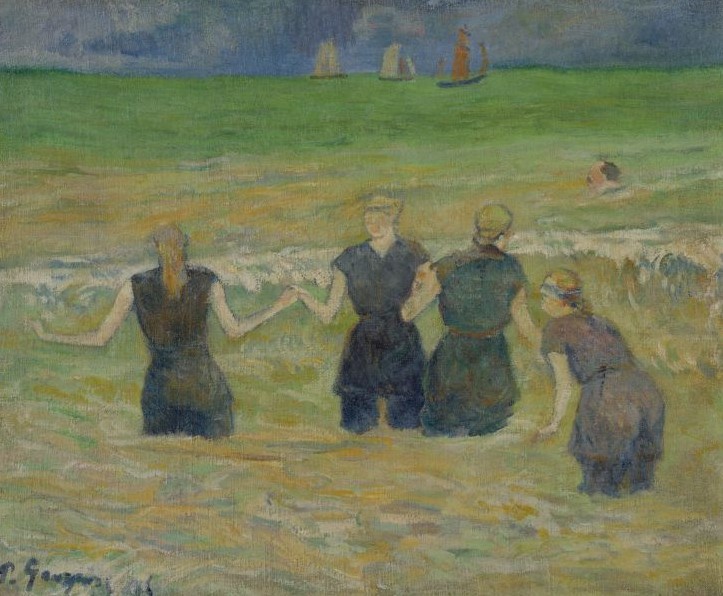
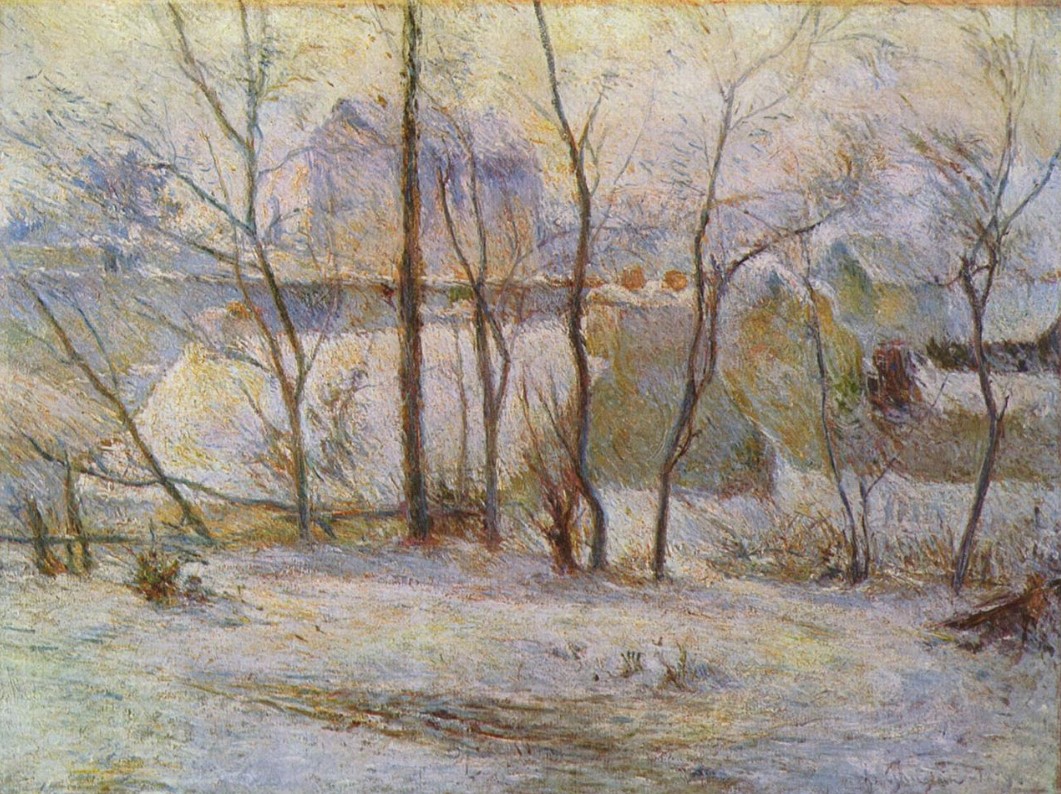
Other painters during that time, Camille Pissarro and Paul Cézanne, initially helped him further his artistic vision. He moved to Copenhagen with his family, but it wasn’t what he had hoped. He returned to Paris in 1885, took low-end jobs, and held contempt for Georges Seurat (known for pointillism) and unfriended Pissarro. He found new energy at Pont-Aven, an artist’s colony, in Brittany, France in 1886. He found new friendships in Émile Bernard, Charles Laval, and Émile Schuffenecker. It was here he became disinterested in Impressionism and found vigor in folk art and Japanese print work. He experimented in other painting styles during this time. His visit to Panama in 1887 was the introduction to non-European women in his paintings and affinity for them in relationships. He continued having strained relationships with artists and this time it was the brothers, Vincent and Theo van Gogh. Claude Monet and Pierre-Auguste Renoir had no problem expressing their distaste for his work. On the opposite side, he found a lifelong friend in Edgar Degas.

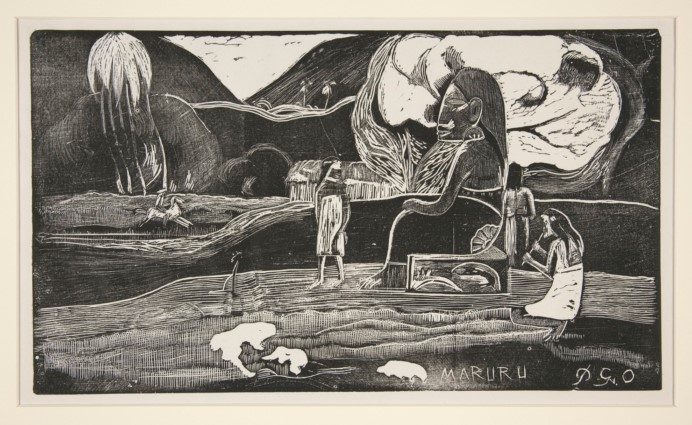
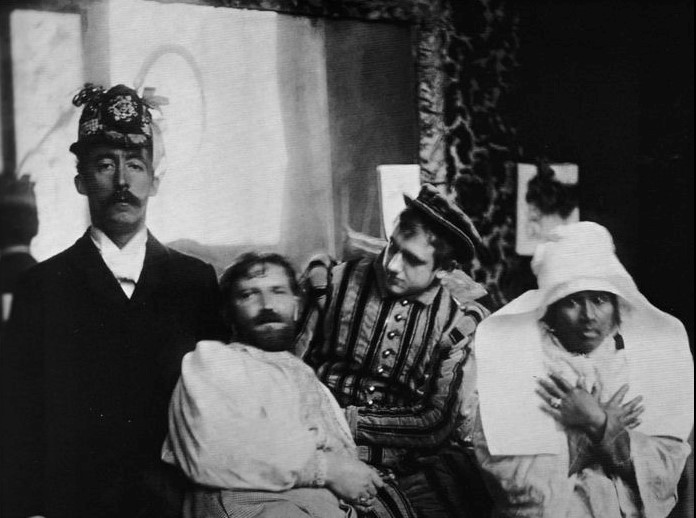

Gauguin is probably second most remembered for his stay in Tahiti and how it influenced him and vice versa. Part of the reason for him traveling there was to get away from European civilization and spent considerable time in Papeete. He again was broke with health issues, and returned to France. It was during this time he had a falling out with Paul Durand-Ruel and Ambroise Vollard, both art dealers. Gauguin was miserly with his money and selfish in his actions and never saw Europe or his children again when he left for Tahiti in 1895. He survived from art sales and support from friends, later becoming a newspaper editor until 1901. This didn’t mean some of his artwork wasn’t sold in Paris. Where Do We Come From? What Are We? Where Are We Going? sold for 2,500 francs (about $10,000 in year 2000 US dollars) in 1901. With a steady flow of income, he was able to make Marquesas Island his home.
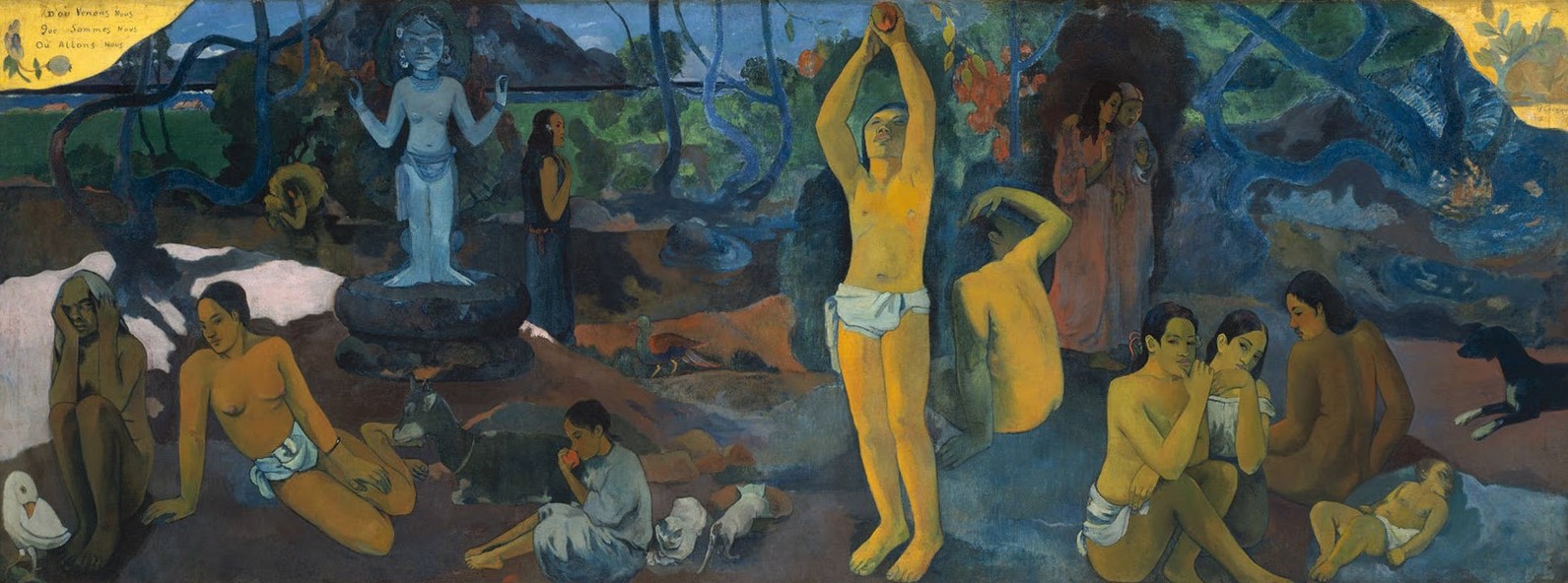

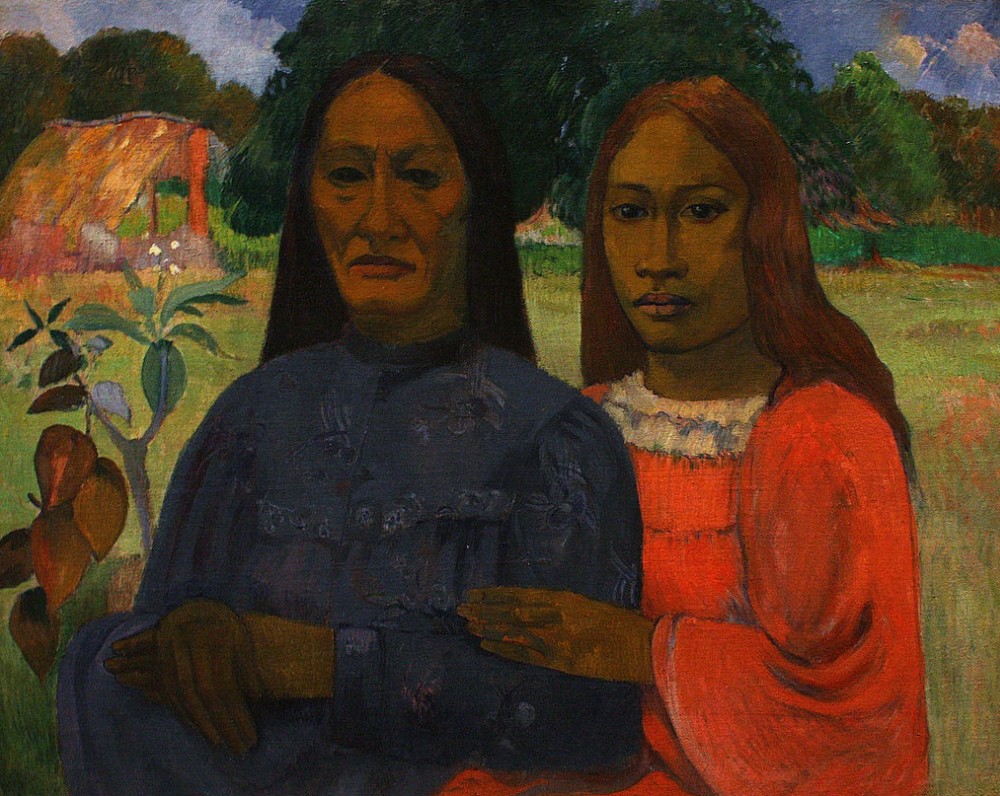
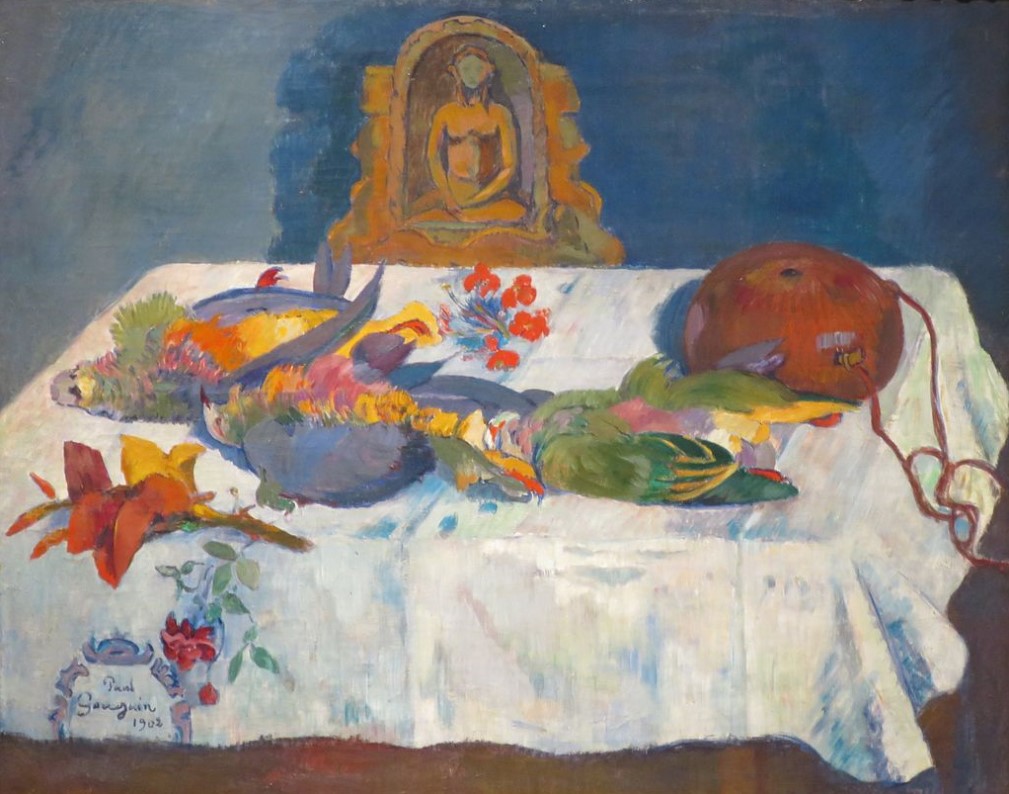

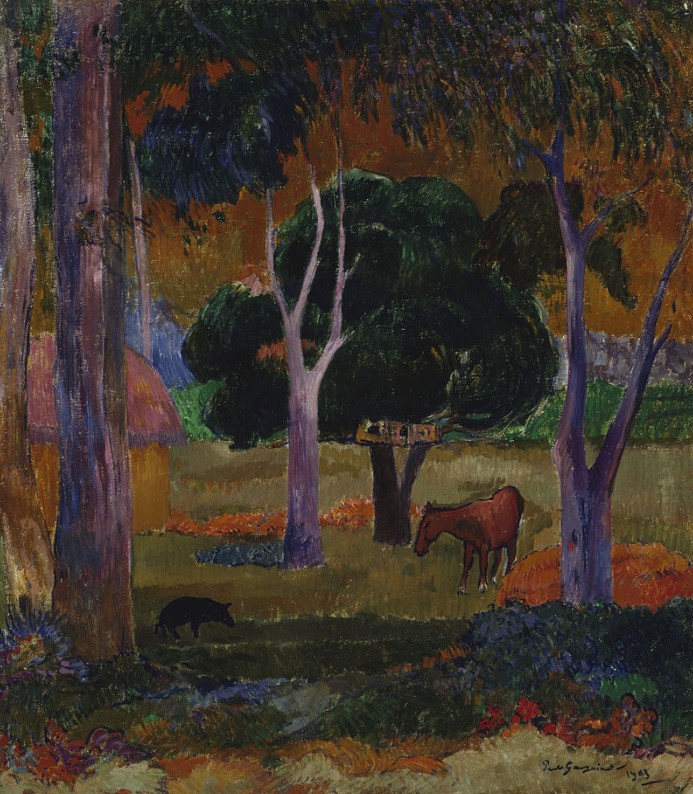
He had a love and hate relationship the church. He sided with them in some respects, but felt the institution was hypocritical when it came to sexual matters. He had no shortage of being revengeful, and fought against what he felt were injustices done to him whether it come from his family, institutions, or military. His health had deteriorated, mainly his legs and heart, and wasn’t able to paint. He engaged in writing and wrote his autobiography, although choppy, and letters to his friends. It was a review of his life. He died on May 8, 1903. All but three of his children outlived him. He had five children with Mette: Émile, Aline, Clovis, Jean René, and Paul Rollon. He had three children from two different women: Germaine Huais, Émile Marae a Tai, and a daughter that died in infancy. He had one daughter with a fourteen year old girl, Vaeoho, who left him shortly before giving birth.


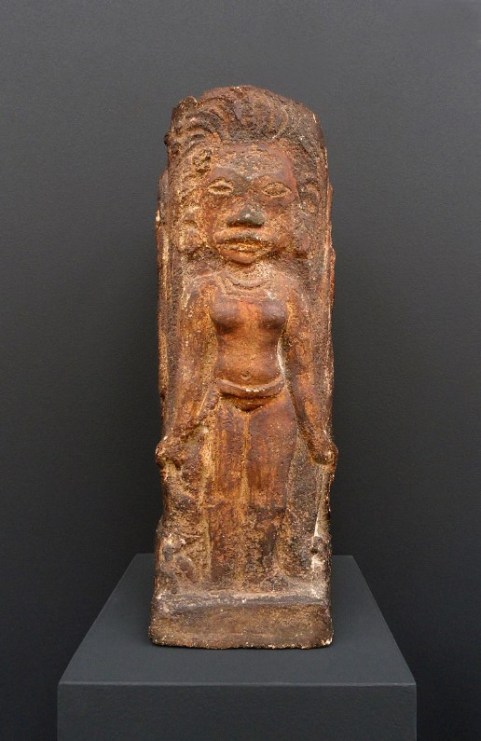
There is no doubt that Gauguin left a mark in many places, some good and some bad. HE was an artist, father, and husband who struggled throughout much of his life. I would say he was his own worst critic and enemy. He loved women and wasn’t afraid of it. His works sell in the millions and Nafea Faa Ipoipo (When Will You Marry?) sold for 210 million in 2014.
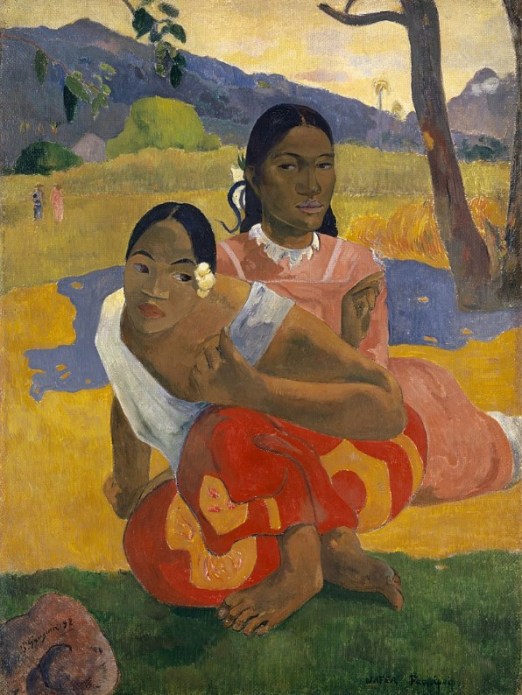
“Don’t copy nature too literally. Art is an abstraction. Derive it from nature as you dream in nature’s presence, and think more about the act of creation than the outcome.”
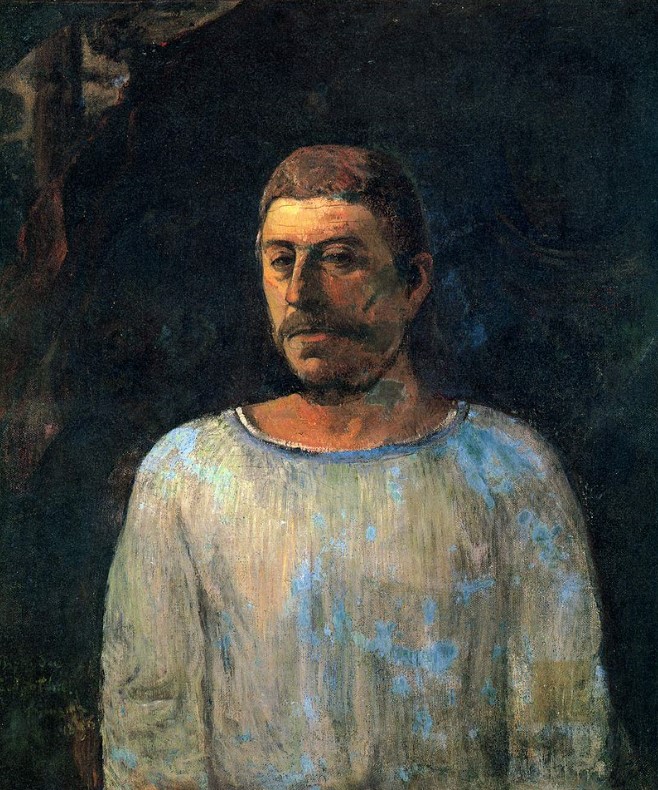


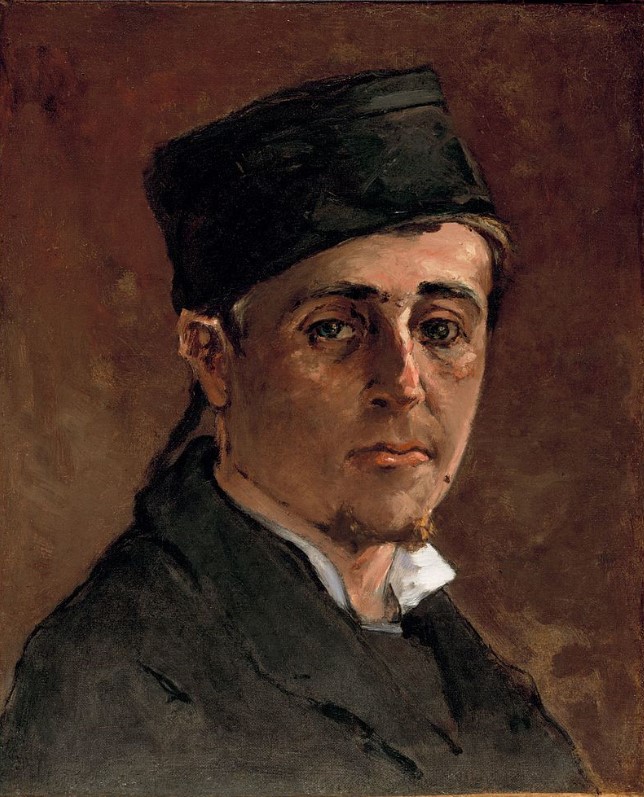


Pictures/Information by Wikipedia


 Pisaries Creator
Leave a comment